
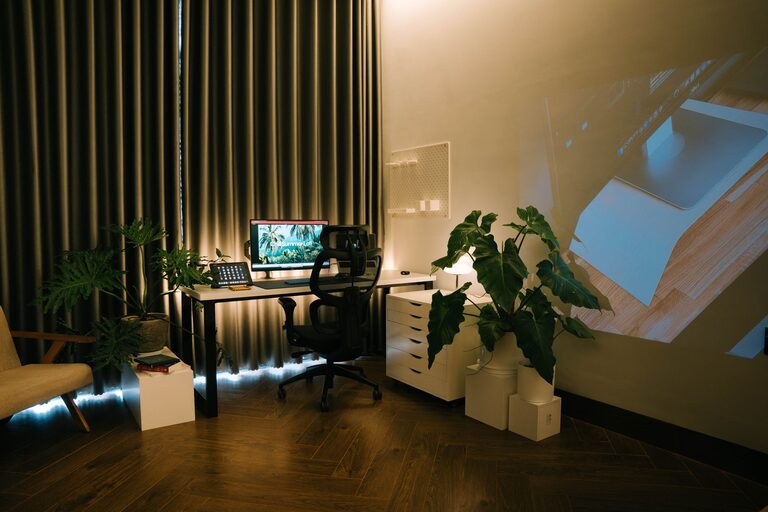
Creating a relaxing home workspace is essential for maintaining focus, reducing stress, and enjoying your work-from-home experience. Whether you spend a few hours or the whole day at your desk, a well-designed environment can make a significant difference in your comfort and efficiency. In this post, we’ll explore practical steps to help you create a workspace that feels both inviting and functional.
Why a Relaxing Workspace Matters
When your workspace is cluttered, noisy, or uncomfortable, it can increase stress levels and decrease productivity. A calming environment helps you stay focused on tasks, encourages creativity, and supports better mental health. Taking the time to organize and personalize your workspace will pay off with noticeable improvements in your workday.
Choose the Right Location
Consider Natural Light
Position your desk near a window if possible. Natural light boosts mood and energy levels, making it easier to stay alert. Avoid glare by angling your screen away from direct sunlight.
Minimize Distractions
Select a quiet corner or a room where you can close the door for uninterrupted work. If space is limited, noise-canceling headphones or white noise machines can help reduce distractions.
Invest in Comfortable Furniture
Ergonomic Chair
A chair that supports your lower back and encourages good posture reduces fatigue and discomfort. Adjustable height and armrests allow you to customize your seating.
Appropriate Desk
Choose a desk that fits your workspace and provides enough surface area for your computer, documents, and other essentials. Standing desks or adjustable desks offer flexibility to change positions throughout the day.
Organize Your Space
Declutter Regularly
Keep only essential items on your desk to maintain a tidy appearance. Use drawers or organizers to store supplies and reduce visual clutter.
Use Storage Solutions
Bookshelves, filing cabinets, and storage bins help keep papers and equipment organized and accessible without crowding your workspace.
Add Calming Colors and Decor
Soft Color Palette
Opt for soothing colors like light blues, greens, or neutral tones. These shades create a peaceful atmosphere that helps reduce anxiety.
Personal Touches
Incorporate plants, artwork, or meaningful objects to make the space feel welcoming and uniquely yours. Plants also improve air quality and add a touch of nature.
Manage Lighting Effectively
Layer Your Lighting
Combine ambient lighting with task lighting. A desk lamp with adjustable brightness can reduce eye strain during detailed work.
Use Warm Light Bulbs
Warm or natural white bulbs create a relaxing ambiance compared to harsh, cool-toned lighting often used in offices.
Maintain Good Air Quality
Proper ventilation is important for comfort and concentration. Open windows when possible or use an air purifier to keep the air fresh.
Create a Routine for Your Workspace
Start and End Your Day
Set clear boundaries by designating work hours. Starting and ending your day with simple routines—like tidying your desk—helps separate work time from relaxation.
Take Breaks
Incorporate short breaks to stretch, hydrate, or briefly step outside. These moments refresh your mind and prevent burnout.
Use Technology Wisely
Minimize Notifications
Turn off non-essential notifications on your computer and phone to avoid constant interruptions.
Cable Management
Use clips or sleeves to keep cords organized and prevent tangled wires, which can add to visual clutter and stress.
Maintain Your Workspace
Regularly clean your desk, devices, and surrounding area. A clean environment contributes significantly to a relaxed and productive mindset.
—
By following these tips, you can transform any space into a relaxing home workspace that supports your well-being and work goals. A little effort in setting up your area can lead to big improvements in how you feel and perform each day. Happy working!