
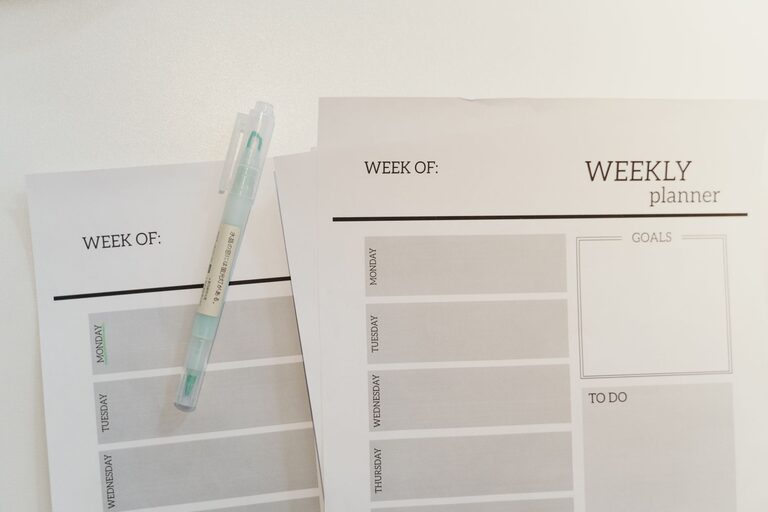
Setting weekly goals can be a powerful way to stay focused and organized. But if your goals are too ambitious or vague, you might end up feeling frustrated and unproductive. The key is to set realistic weekly goals that are clear, achievable, and motivating.
In this post, we’ll explore how to create weekly goals that help you make steady progress without burnout. Whether you’re managing work tasks, personal projects, or both, these tips will guide you toward effective goal setting.
Why Set Weekly Goals?
Weekly goals break down bigger ambitions into manageable steps. Instead of getting overwhelmed by long-term projects, focusing on one week at a time helps you:
– Stay organized and clear about priorities
– Measure progress regularly
– Adjust your plans as needed
– Maintain motivation by achieving smaller wins
Characteristics of Realistic Weekly Goals
Before setting your goals, it’s important to know what makes a goal realistic. A good weekly goal should be:
– Specific: Clearly define what you want to accomplish.
– Measurable: You should be able to track your progress.
– Achievable: The goal should be within your capacity given your time and resources.
– Relevant: It should align with your bigger objectives or values.
– Time-bound: Set a deadline within the week to keep yourself accountable.
Step-by-Step Guide to Setting Realistic Weekly Goals
1. Reflect on Your Bigger Picture
Start with your larger goals or projects. What are you working toward this month or year? Understanding this bigger picture helps you set weekly goals that move you forward meaningfully.
2. Review Your Schedule and Commitments
Look at your calendar and consider your existing commitments. How much free time do you realistically have this week to work on your goals? Being honest about your availability prevents overloading yourself.
3. Choose 2 to 4 Priority Goals
Picking a few important goals each week is better than trying to do too many things at once. Focus on what will bring the greatest benefit or progress.
4. Break Goals into Clear, Actionable Steps
Vague goals like “get in shape” or “write more” are hard to measure. Instead, specify actions such as “exercise for 30 minutes three times” or “write 500 words on my blog.”
5. Estimate Time and Resources Needed
Before finalizing your goals, estimate how much time each task will take and what you’ll need. This helps keep your goals achievable.
6. Write Down Your Goals
Writing your goals makes them feel more concrete and increases your commitment. Use a planner, journal, or a digital tool—whatever works for you.
7. Schedule Time for Goal-Related Tasks
Put blocks of time in your calendar specifically for working on your goals. Treat these as appointments you cannot miss.
8. Track Your Progress Daily
At the end of each day, review your progress. Adjust tasks if necessary, but avoid abandoning your goals unless absolutely needed.
9. Celebrate Your Achievements
No matter how small, celebrate when you complete a goal. Positive reinforcement keeps motivation high.
Tips to Stay on Track
– Be Flexible: Life happens—if you miss a goal, don’t get discouraged. Adjust and keep going.
– Avoid Multitasking: Focus on one priority at a time for better results.
– Limit Distractions: Create a workspace or environment that supports concentration.
– Use Reminders: Set alarms or notifications to keep your goals top of mind.
– Seek Support: Share your goals with a friend or mentor who can encourage you.
Examples of Realistic Weekly Goals
– Complete five client calls related to a project.
– Read two chapters of a professional development book.
– Prepare three healthy meals at home.
– Write and edit 1,000 words on your upcoming article.
– Organize your inbox and respond to all pending emails.
Common Mistakes to Avoid
– Setting too many goals in one week
– Choosing goals that are too vague or broad
– Ignoring your current workload and energy levels
– Forgetting to review or adjust your goals regularly
Final Thoughts
Setting realistic weekly goals is a skill that can improve with practice. By focusing on what’s specific, achievable, and meaningful, you’ll build momentum and feel more satisfied with your progress. Remember, it’s not about perfection but steady improvement.
Start small, stay consistent, and watch how your weekly goals bring you closer to your dreams one step at a time!