
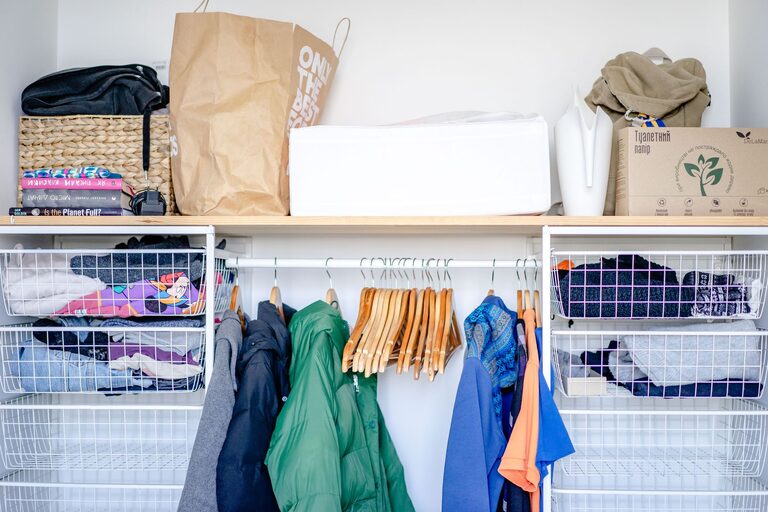
Storing seasonal clothes efficiently can transform your living space, making it easier to find what you need while keeping your wardrobe in great condition. Whether it’s summer dresses, winter coats, or holiday sweaters, proper storage helps protect your garments and frees up space. In this post, we’ll explore simple and effective ways to organize your seasonal clothes so you can enjoy a clutter-free home.
Why Efficient Seasonal Clothes Storage Matters
Storing clothes for the season you’re not wearing helps reduce clutter and keeps your everyday wardrobe manageable. Proper storage also protects fabrics from damage caused by dust, moisture, pests, and sunlight. By organizing your clothes thoughtfully, you’ll spend less time searching for items and more time enjoying your closet.
Preparing Your Clothes for Storage
Before packing away your seasonal clothes, it’s important to prepare them carefully:
Clean Everything Thoroughly
– Wash or dry clean clothes before storing to remove dirt, oils, and stains that can attract pests or cause fabric damage.
– Make sure clothes are completely dry to avoid mold and mildew growth.
Repair and Sort
– Check for buttons, hems, or seams that need mending.
– Sort clothes by type or frequency of use to streamline packing and future access.
Remove Accessories and Delicate Items
– Take off belts, pins, or other accessories that might damage fabric.
– Store delicate items separately in breathable bags or boxes.
Choosing the Right Storage Containers
The type of container you select plays a key role in protecting your clothes and saving space.
Storage Bins and Boxes
– Use clear plastic bins with tight-fitting lids to keep out dust and pests while allowing easy identification.
– Avoid airtight containers for natural fibers like wool or cotton as they need to breathe.
Vacuum-Sealed Bags
– Great for bulky items like jackets and sweaters because they compress clothes and save space.
– Be cautious about long-term use; some fabrics may lose their shape or breathability.
Fabric Garment Bags
– Ideal for hanging storage of suits, dresses, and coats.
– Choose breathable materials like cotton to prevent moisture buildup.
Drawers and Under-Bed Storage
– Sliding drawers or under-bed containers can be a space-saving option for less frequently used items.
– Ensure the storage area is clean and dry.
Organizing Your Clothes for Easy Access
Keeping your seasonal clothes organized means you can find what you need without hassle.
Label Everything
– Clearly label bins and boxes with contents to avoid opening multiple containers.
– Use color-coded labels or tags for different seasons or clothing types.
Separate by Category
– Group clothes by category—such as tops, bottoms, outerwear, and accessories—to keep similar items together.
– Consider storing sets or matching pieces together to save time.
Use Dividers or Smaller Bags
– Inside larger containers, use dividers or smaller bags to separate fragile or small items like scarves and gloves.
– This prevents items from shifting and becoming tangled.
Storing Seasonal Clothes in Your Space
Where you store your clothes is as important as how you store them.
Avoid Damp or Extreme Temperatures
– Keep storage bins away from basements prone to moisture or attics with high heat.
– A cool, dry closet or spare room is ideal.
Utilize Vertical Space
– Shelving units or hanging organizers help maximize closet or storage room height.
– Use hooks or hanging racks to keep items off the floor and easy to access.
Rotate Clothes Regularly
– Swap out clothes at the start and end of each season.
– Take this opportunity to check stored items for any needed repairs or freshening.
Maintaining Clothes During Storage
To keep clothes in good condition, a little upkeep goes a long way.
Use Cedar or Lavender
– Natural repellents like cedar blocks or lavender sachets help deter moths and insects.
– Avoid mothballs, which contain chemicals and odors.
Air Out Stored Clothes Occasionally
– If possible, take clothes out once or twice a year to air them in sunlight and check for damage.
– This refreshes fabrics and prevents musty odors.
Keep Storage Areas Clean
– Vacuum and dust storage spaces before returning clothes.
– Maintaining cleanliness helps prevent pest infestations.
Final Thoughts
Efficiently storing your seasonal clothes is a simple way to reduce clutter, protect your wardrobe, and streamline your daily routine. With proper preparation, the right containers, thoughtful organization, and regular upkeep, your clothes will stay fresh and ready for every season. Try these tips to create a practical storage system that works for your home and lifestyle. Happy organizing!